
News
Council moves forward with more climate resilience for borough as drought declared in Kent
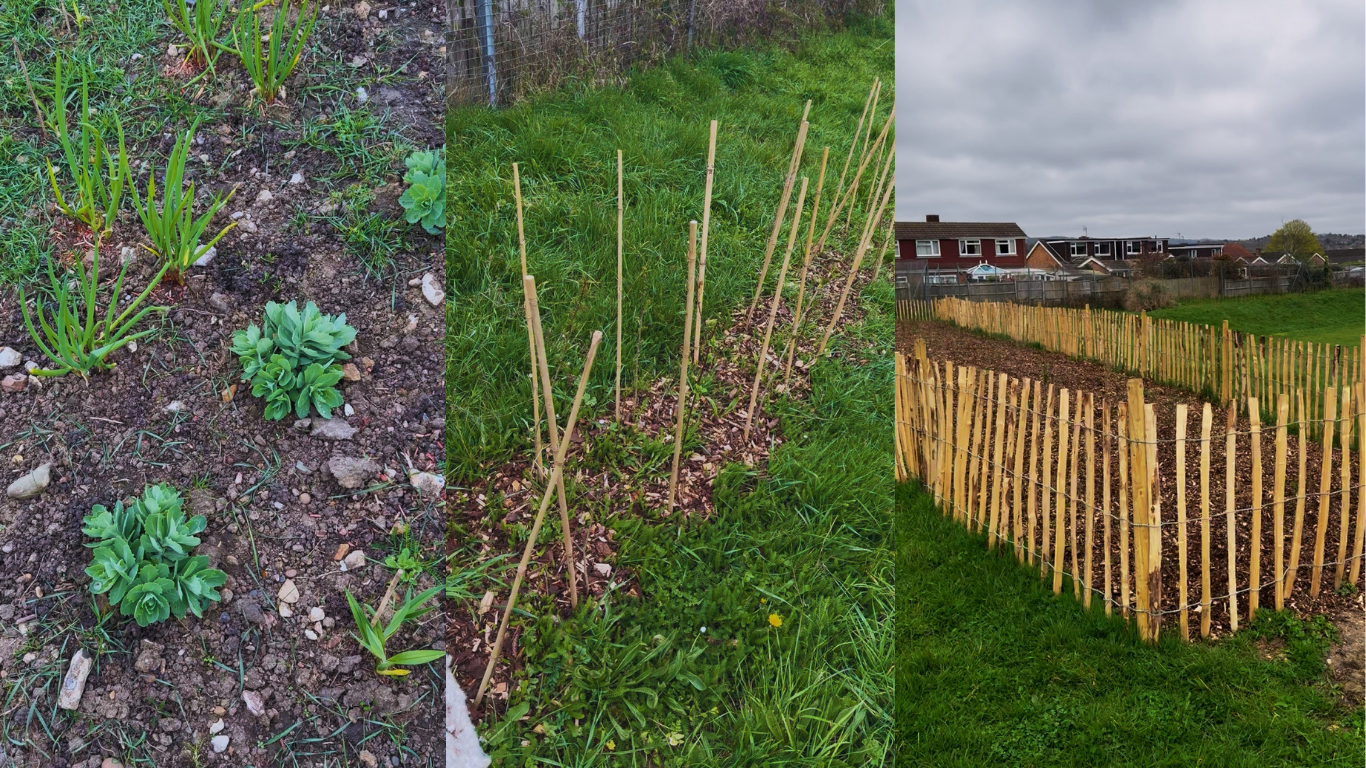
As drought is declared in Kent, Maidstone Borough Council is highlighting the projects helping communities, wildlife and green spaces become more resilient to a changing climate.
The Environment Agency has confirmed drought status for Kent following exceptionally dry weather, with media reports showing the county received just 1% of its long-term average rainfall in July and some river catchments recording exceptionally low flows. The national picture is equally serious, with large parts of England now in drought following record low rainfall and exceptionally high temperatures.
From saving water and reducing flood risk to restoring nature and greening the town centre, Maidstone Borough Council is delivering a range of projects designed to help the borough adapt to both extreme heat and heavy rainfall.
As hot, dry conditions become more common, the council has strengthened its approach to wildfire prevention and water management. Naturalised mowing to retain soil moisture, fire breaks to prevent spread and dedicated firefighting equipment to tackle wildfire in the early stages are helping reduce wildfire risk, while landscape management measures designed to slow the flow of water are helping soils and habitats retain moisture, reducing both drought and flood impacts.
The council has also successfully expanded its free water butt scheme. Following an initial rollout of more than 500 water butts to households in areas vulnerable to surface water flooding, a further 1,200 have been made available. Together, the scheme has the potential to save 355,000 litres of water a year while helping residents conserve water during dry spells and reduce pressure on drainage systems during heavy rain.
Work to sample and improve soil quality is helping land retain more moisture, stay greener for longer during dry periods, reduce the risk of wildfires and flooding, and absorb more rainfall when it arrives.
Across the borough, projects are helping to make communities more resilient to extreme heat. The council is also promoting Maidstone's Cool Zones Network, providing residents with access to free cool spaces across the borough during periods of hot weather warnings.
While prolonged periods of sunshine can place pressure on water resources, they also increase the potential for renewable energy generation. The council is continuing to maximise opportunities for solar energy across its own estate, helping to reduce carbon emissions and energy costs. Through the annual Solar Together Kent scheme, residents are also being supported to install solar panels and battery storage, helping households lower their bills while contributing to a more resilient, low-carbon energy system.
In the town centre, new biodiversity-boosting bus shelters featuring living roofs, energy-efficient lighting and recyclable materials are due to replace existing shelters. The roofs have been designed to support pollinators, improve air quality and absorb rainwater to help manage surface water run-off. They will complement the town centre's existing living pillars, which provide additional habitat for insects and contribute to a greener urban environment.

Living pillars
Work is also under way to create new pocket parks in St Faith's Street, Brewer Street and Union Street, introducing trees, planting and rain gardens that will help cool urban areas, boost biodiversity and manage rainfall more naturally.

Pocket parks in development
Beyond the town centre, the council is supporting a wide range of nature-based solutions that improve climate resilience whilst restoring the natural environment.
An £87,600 grant to Kent Wildlife Trust is helping farmers and landowners restore rivers and wetlands, improve water quality and strengthen climate resilience across the Lower Beult catchment, including the Marden Farmer Cluster and Greensand Ridge Farmer Cluster.
Through its Nature Recovery Fund, the council has also committed £488,000 between 2025 and 2027 to projects that protect and restore habitats, with the first-round awarding £43,000 to local organisations for initiatives including wetland restoration, swift boxes and wildlife surveys.
The council's £12,000-a-year Climate Action Fund is supporting community groups to deliver local climate action projects, with this year's funding fully allocated.
Nature recovery projects are also helping communities adapt to climate change. Conservation grazing at Sutton Valence has demonstrated how rare Portland sheep can be used as a sustainable alternative to traditional land management, while Tiny Forest sites at Midley Close, Chillington Street, Mangravet and Foley Close are creating dense native woodlands that support wildlife, improve air quality and cool urban areas.
The council has also planted 9,300 native trees and 280 metres of hedgerow in the past year, supported species reintroduction and soil restoration projects, and now maintains five Green Flag parks.
A 20% Biodiversity Net Gain requirement for new developments, alongside investment in river protection, tree planting, tiny forests and nature-based climate solutions, is helping ensure long-term environmental resilience.
Alongside these practical projects, Maidstone Borough Council has developed a Rights of Nature Framework, placing the health of rivers, woodlands, soils and ecosystems at the heart of future decision making. The framework recognises that protecting and restoring nature is not only vital for wildlife, but also for creating communities that are more resilient to drought, flooding and extreme weather.
Cllr Rachel Rodwell, Cabinet Member for Nature and Climate Transition, said: "The drought declaration is a reminder that climate change is already affecting our communities, wildlife and natural environment. That's why we're taking practical action across Maidstone, from helping residents save water and reducing wildfire risk to restoring habitats, supporting nature recovery and creating greener, more resilient places. By investing now, we're helping ensure our borough is better prepared for the challenges of the future."