
News
Shepherding in a new era of land management in Maidstone
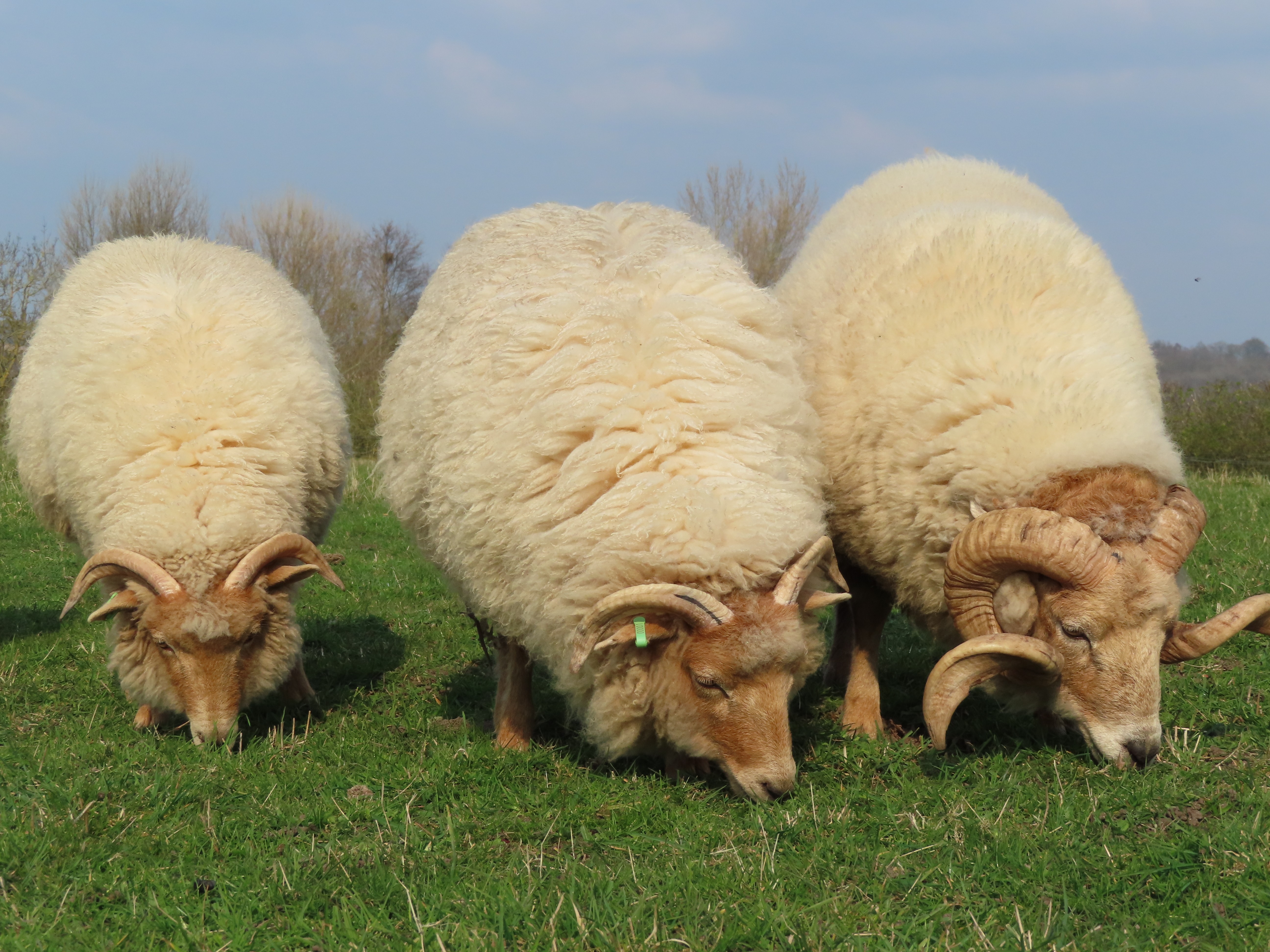
A pioneering conservation grazing trial using an old English breed of sheep in Sutton Valence has proven to be a low-cost, low-maintenance solution to managing a 2.5 acre meadow.
Last Autumn, Maidstone Borough Council teamed up with Sutton Valence Parish Council and a local shepherd to graze 10 Portland sheep and see how the herd could manage the site with minimal human intervention.
The meadow, which was previously enhanced through the planting of more than 2,000 native trees, was grazed over several months with the herd managing grass growth whilst still allowing plants and other wildlife to thrive.
The hardy Portland sheep are one of Britain's oldest and rarest native breeds. During the trial, they thrived on the meadow's natural vegetation, requiring no supplementary feeding and only routine welfare checks and access to fresh water. Their grazing helps create a richer habitat for wildlife, while their dung supports insects and other soil-dwelling organisms that play a vital role in healthy ecosystems and food chains.
Councillor Rachel Rodwell Maidstone Borough Council's Cabinet Member for Nature and Climate Transition, said: "This trial has shown how simple, nature-based solutions can deliver multiple benefits for communities, wildlife and the environment. Rather than relying on machinery, the sheep have helped manage the site naturally, reducing maintenance requirements while creating better conditions for biodiversity to thrive.
"What is particularly encouraging is that this is a model that could be replicated elsewhere. Parish councils, community groups and landowners who are looking for practical ways to manage land and support nature recovery may find conservation grazing offers a straightforward and cost-effective solution."
Unlike traditional mowing, conservation grazing creates a more varied habitat structure that benefits insects, birds and wildflowers. The sheep naturally manage coarse vegetation without removing it entirely, helping maintain a healthy balance between meadow management and ecological enhancement.
The benefits extend beyond biodiversity. Conservation grazing can reduce fuel use, labour requirements and carbon emissions associated with conventional land management, while helping young trees establish successfully by preventing grass growth from overwhelming newly planted areas.
At the Sutton Valence site the arrangement was delivered through a simple partnership. The Parish Council provided the land, a local shepherd supplied and managed the flock, and Maidstone Borough Council coordinated the project. The result was a low-cost solution that benefited all parties while supporting a rare native livestock breed.
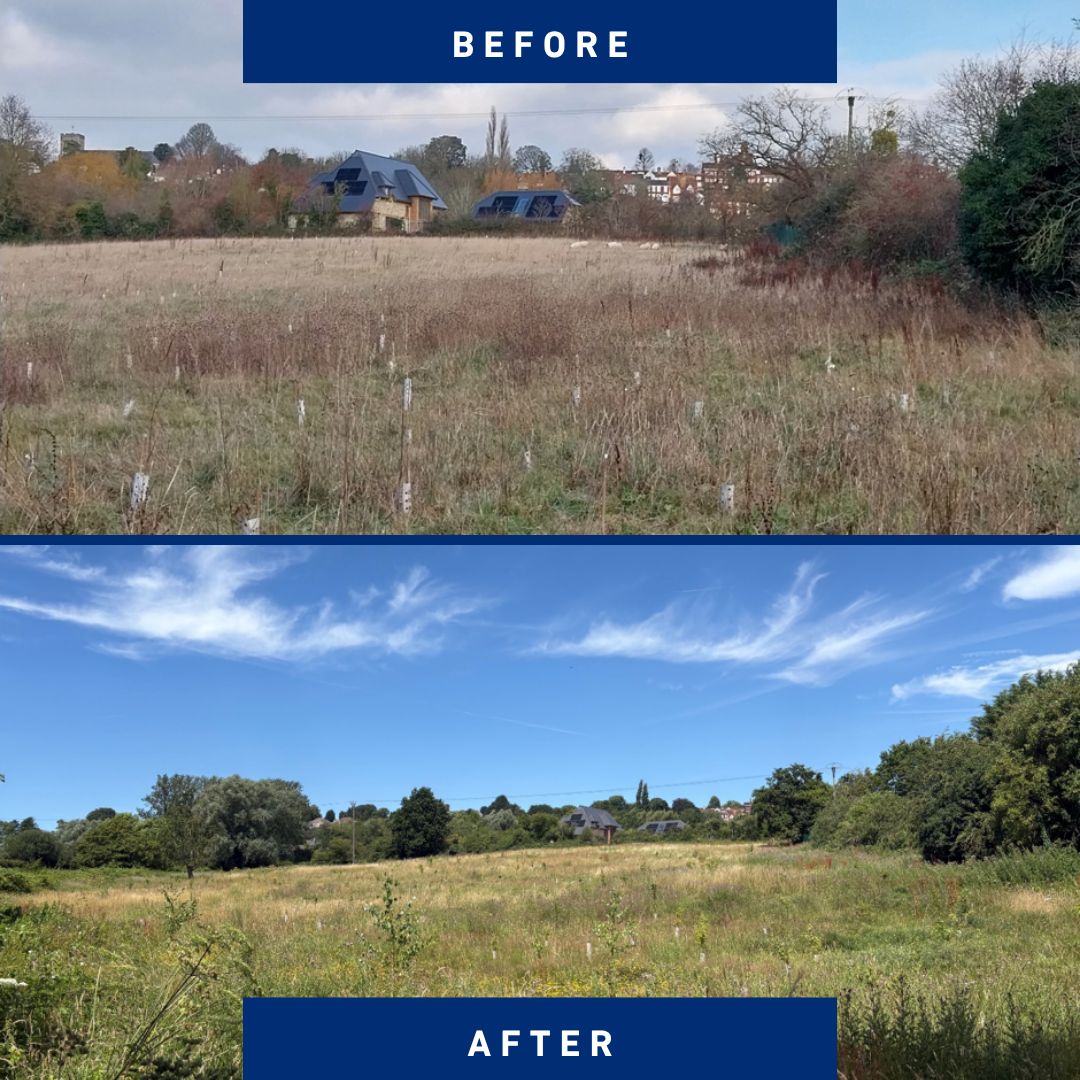
Sally Annereau, Chair of Sutton Valence Parish Council, said: "The trial has been a great success for the Parish Council. Not only have we been able to manage the meadow in a natural and sustainable way, but residents have really enjoyed seeing the sheep and learning more about why they are there.
“It's a simple idea that delivers multiple benefits for biodiversity, the landscape and the local community. We would happily undertake a similar project again and would encourage other parish councils to consider conservation grazing as part of their approach to managing green spaces."
The project has also been hailed as a “win-win” by the shepherd involved, Maisie Barnes, Local Shepherd, who added: “From a shepherd's perspective, this has been a win-win project. It's been straightforward to run, beneficial for the flock and good for the site.”
The trial has also attracted interest from local residents, who welcomed the presence of the sheep and the opportunity to learn more about how grazing can play a role in restoring nature and managing land sustainably.
Maidstone Borough Council is now encouraging parish councils, community groups and landowners to consider whether conservation grazing could help manage sites such as community meadows, young woodland planting schemes, heritage orchards, village greens, public open spaces and nature recovery projects.
The message from Sutton Valence is simple: sometimes the most effective land management solution is not another machine, it's a flock of sheep.
The project forms part of Maidstone Borough Council's wider commitment to supporting biodiversity and finding practical, low-cost ways to enhance habitats across the borough.
To find out more about conservation grazing and biodiversity projects in the borough, subscribe to Maidstone Borough Council’s newsletter.
Image of Portland sheep grazing (C) Zoe Fuller – Barnfield Portlands