
News
Advice issued following reports of false chinch bugs in Fant
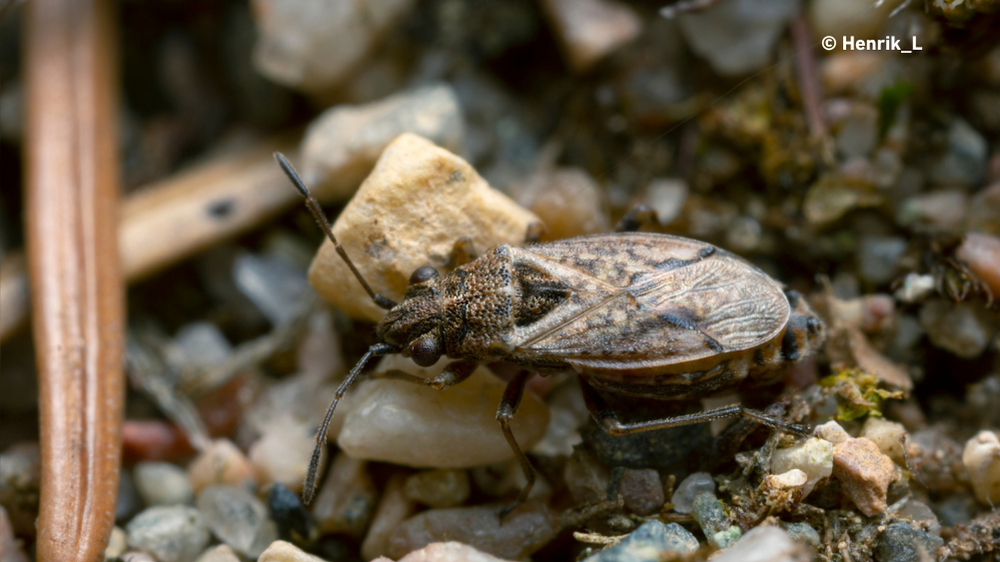
Maidstone Borough Council has received a number of enquiries from residents about large numbers of false chinch bugs being found in and around properties in the Fant area, including Chamberlain Avenue, Pitt Road, Shelley Road and surrounding roads.
Whilst the insects can be distressing when present in large numbers, false chinch bugs are not considered a public health risk. They do not bite people, do not spread disease and do not damage buildings.
The Council understands the frustration this is causing affected residents and has compiled the following frequently asked questions to explain what is known about the issue, what practical steps people can take, and what support is available.
False Chinch Bugs: Frequently Asked Questions
What are false chinch bugs?
False chinch bugs are small insects that feed on plants and weeds. They are commonly found in fields, grassland and other outdoor environments.
Why are there so many this year?
Large populations can develop when weather and environmental conditions are favourable. When vegetation dries out, is harvested or food sources become limited, the insects can move into nearby residential areas in search of alternative vegetation and shelter.
Are they harmful to people or pets?
No. False chinch bugs do not bite humans or pets and are not known to spread disease. They are generally regarded as a nuisance rather than a risk to health.
Can they damage my home?
No. They do not damage buildings, furniture or household belongings. The main issue is the inconvenience caused when large numbers gather around or enter properties.
How long will the problem last?
Outbreaks are usually temporary and linked to seasonal and environmental conditions. Whilst it is difficult to predict exactly how long they will remain, these events do not normally result in permanent infestations of homes.
What can I do to reduce the numbers entering my property?
Residents may wish to:
- Keep doors and windows closed where practical.
- Fit or repair insect screens where possible.
- Seal gaps around doors, windows and pipework.
- Vacuum insects that enter the property.
- Remove weeds and maintain gardens.
- Keep plants well watered and consider temporary protection for vulnerable plants.
Should I use insecticides?
For most households, preventing insects from entering the property and removing them when they appear is likely to be more effective than widespread pesticide use. Residents seeking specialist advice may wish to contact a professional pest control company.
What can Maidstone Borough Council do?
The Council understands that this situation is causing concern and inconvenience for residents.
Based on the information currently available, this appears to be a naturally occurring insect population associated with environmental and agricultural conditions rather than a public health issue.
The Council has no direct means of treating or eradicating insects across a large affected area and there is unlikely to be any formal enforcement action available.
Our role is therefore limited to providing information, advice and reassurance to residents.
Will the Council visit my property?
Given the number of properties reportedly affected, the Council is unable to visit every household. As there is currently no treatment or enforcement action available to the Council, individual visits are unlikely to change the outcome. Our focus is on providing consistent advice and information to affected residents.
Should I report the issue to the Council?
Residents are welcome to contact the Council as this helps us understand the scale and impact of the issue. However, reporting the problem does not mean the Council will be able to provide treatment, undertake enforcement action or carry out a site visit.
Who is responsible for dealing with the outbreak?
This appears to be a naturally occurring insect population rather than a public health emergency. There is no single organisation responsible for eliminating the insects and there are limited options available to manage large-scale outbreaks of this nature. The Council's role is restricted to providing information, advice and reassurance to residents.