News Council trials nature-based methods to improve soil health
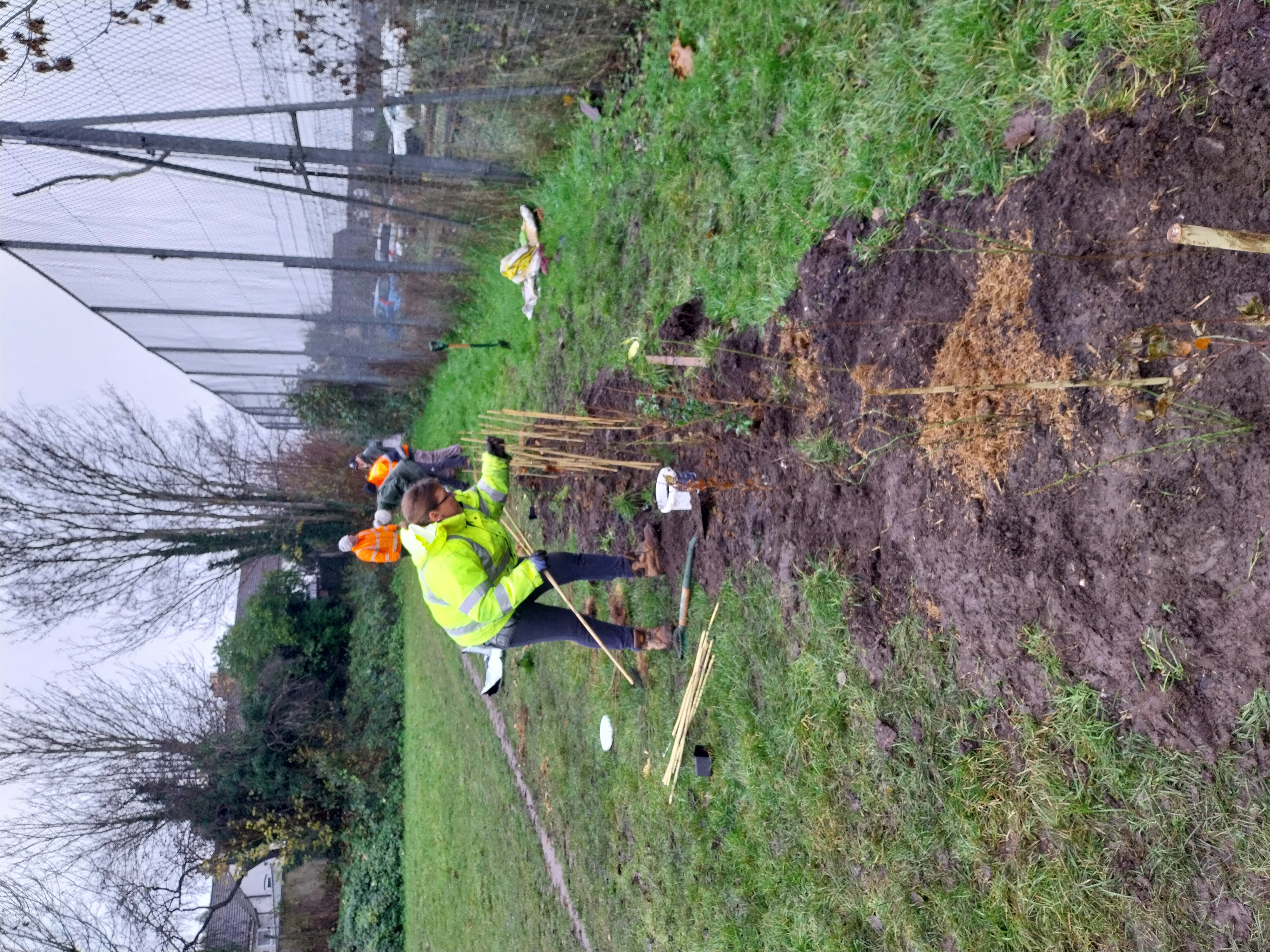
Maidstone Borough Council (MBC) has begun a two year soil health trial at a council owned green space close to Sandling Road Allotments, testing simple, nature based techniques to improve ground conditions, support hedgerow establishment and enhance local biodiversity.
Maidstone Borough Council (MBC) has begun a two‑year soil health trial at a council‑owned green space close to Sandling Road Allotments, testing simple, nature‑based techniques to improve ground conditions, support hedgerow establishment and enhance local biodiversity.
The project was initiated following calls from local residents and their elected councillors for ecological enhancement of this well‑used urban green space and key pedestrian route to nearby schools. A site meeting with councillors took place, and the trial emerged directly from those discussions, shaping a community‑supported approach to improving the area.
The project compliments parallel improvements to children’s sports facilities at the same open space, ensuring that ecological and recreational enhancements progress hand‑in‑hand.
Last month, baseline soil samples were taken, and a new line of mixed native hedgerow was planted along the fence line bordering the allotments. The trial compares different combinations of natural amendments, such as compost, manure, mulch and mycorrhizal fungi, alongside prepared and unprepared soil, to understand which approaches deliver the best improvements in soil structure, nutrient cycling and water retention over time.
The project forms part of MBC’s Biodiversity Action Plan and supports the Council’s 2024 Nature Recovery commitments to protect and improve habitats, strengthen resilience to climate impacts (including reducing flood risk), and invest in natural solutions across the borough.
Soil monitoring will continue throughout 2026 and 2027, measuring changes in soil condition and the establishment and health of the hedgerow.
The works were carried out by Maidstone Borough Council’s Parks and Open Spaces Team, members of the Biodiversity and Climate Change Team with contractors and environmental consultants Microforests providing baseline sampling, ongoing testing and regular findings reports to MBC.
Cabinet Member for Climate Transition and Nature Recovery, Councillor Rachel Rodwell said: “Soil is the living foundation for nature recovery, when we improve it, everything from hedgerows to pollinators benefits. This practical trial will help us evidence what works best locally so we can scale up simple, cost‑effective approaches across other sites in the borough.”