News International Women’s Day 2026: Discover the overlooked women artists of Maidstone Museum
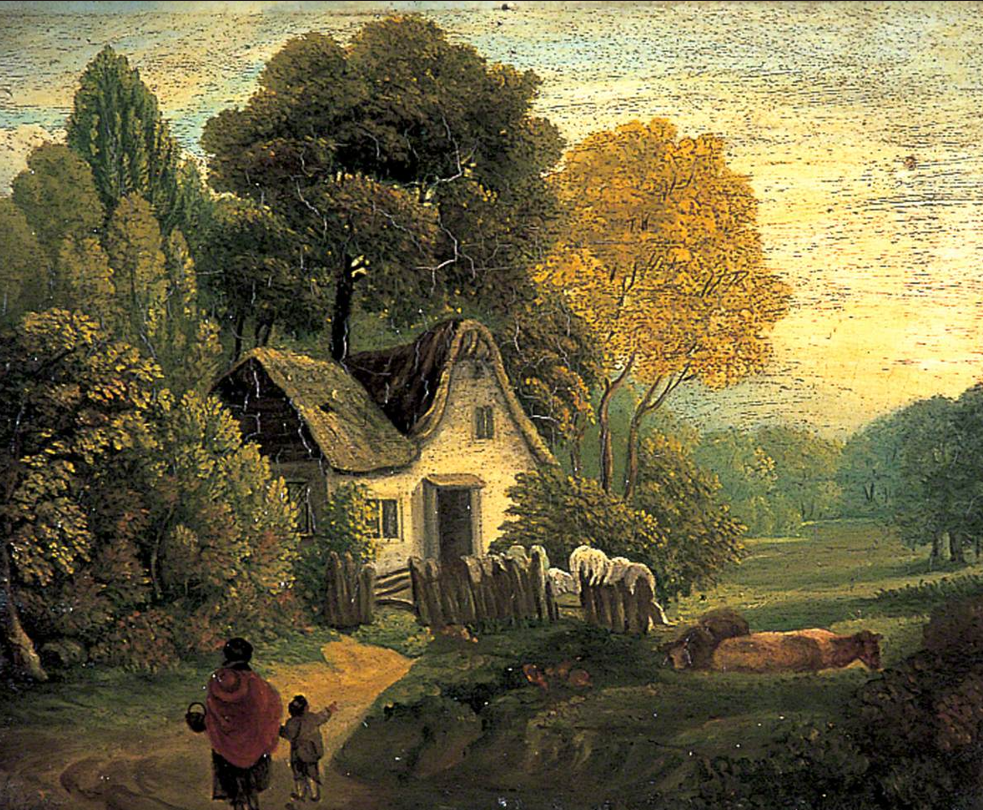
This March, to coincide with International Women’s Day and Women’s History Month, Maidstone Museum is shining a spotlight on the creativity and legacy of a remarkable local female artist whose work has long been overlooked.
The Museum is talking about the work of Margaret “Peggy” Hazlitt (1770–1844), a Maidstone-born painter and writer whose surviving artworks and personal writings offer a rare insight into the creative lives of women in the late 18th and early 19th centuries. At a time when women’s artistic achievements were rarely recognised or recorded, Hazlitt quietly produced work of skill and sensitivity while fulfilling the domestic and caring roles expected of her.
Born in Maidstone on 11 December 1770, Margaret Hazlitt was the daughter of the Reverend William Hazlitt and Grace Loftus Hazlitt, and the sister of two well-known figures: the essayist and critic William Hazlitt and the portrait painter John Hazlitt. While her brothers went on to public recognition, Margaret’s own talents remained largely hidden, shaped by family duty and the social limitations placed on women of her era.
Margaret grew up at the heart of an intellectually lively family and was remembered as its emotional centre, gentle, loyal and deeply observant. In 1783, aged just thirteen, she travelled with her family to America, an experience she later recorded in a personal journal. This journal, unpublished until 1967, is now recognised as a rare female perspective on everyday life in England, Ireland and America at the turn of the 19th century, capturing domestic life, travel and personal reflection in a modest but perceptive voice.
Alongside her writing, Margaret was a gifted painter. Contemporary recollections describe her as “highly gifted” and “very artistic”, and her enthusiasm for art was evident from an early age. During a visit to London in 1787, she delighted in the print-shop windows of Pall Mall and treasured a moonlit print bought for her by her father, an early indication of the atmospheric style that would later define her own work.
In their archives, the Maidstone Museum holds a significant group of Margaret Hazlitt’s artworks, including tranquil rural scenes, moonlit landscapes and expressive studies of nature. Influenced by Dutch landscape painting, her works reveal a strong sense of atmosphere, careful observation and technical confidence. Highlights from the collection include Moonlight Scene, Canal Scene, Peasant Scene, Cottage in a Wood with Cattle, and Landscape with Cattle and Stream, as well as a portrait thought to depict her brother William Hazlitt. Together, these paintings demonstrate that her work went beyond polite “accomplishment” and reflected genuine artistic ability.
Despite her talent, Margaret never pursued a professional artistic career. She never married and spent much of her adult life caring for her ageing parents, a responsibility that limited her independence but placed her at the centre of family life. Her surviving artworks suggest a woman of quiet intelligence and creativity, whose contributions were real but rarely acknowledged.
Margaret Hazlitt died in Liverpool in 1844. The house in Maidstone where she spent her early years, once located in Rose Yard between the High Street and Earl Street, no longer survives. Her legacy, however, endures through her paintings now cared for by Maidstone Museum, rare traces of a woman whose creativity might otherwise have been lost to history.
By highlighting the story of Margaret Hazlitt during Women’s History Month, Maidstone Museum recognises women not only as subjects of history, but as its creators and recorders. International Women’s Day offers an opportunity to celebrate women’s achievements, amplify overlooked voices, and encourage new conversations about the women who helped shape Maidstone’s cultural heritage.
Maidstone Museum’s Collections Manager, Samantha Harris, said: “Margaret Hazlitt’s work gives us a rare and valuable insight into the creative lives of women at a time when their talents were often confined to the private sphere. By bringing her story to the fore, we’re helping to ensure her contribution is finally seen and appreciated.”
Councillor Stephen Thompson, Cabinet Member for Healthier Stronger Communities, said: “Maidstone has long been home to artists of substance and skill. Margaret Hazlitt’s work reflects careful observation and genuine artistic accomplishment, and by sharing her story at the Museum we are restoring a valued chapter of our borough’s creative life.”
Plan your visit
Maidstone Museum is free to visit and is open 10am to 4pm, with last entry at 3.30pm. Opening days vary between term time and school holidays, and the Museum is closed on Sundays. Visitors are advised to check the latest opening information.